Zohaib Ahmed

Zohaib Ahmed

Zohaib Ahmed is a defense analyst, strategic communications specialist, and founder of Vertical Foresight, an independent platform focused on defense industries, geopolitical risk, military technology, and strategic influence. His work centers on helping organizations communicate complex capabilities, market positioning, and strategic relevance to international audiences through high-value research, comparative analysis, and narrative development. With more than 12 years of experience in content strategy and brand positioning, he has advised organizations across technology, media, and emerging industries. He is also the founder of The New World Disorder and a published author whose research examines the intersection of defense, economics, AI, and geopolitical transformation.

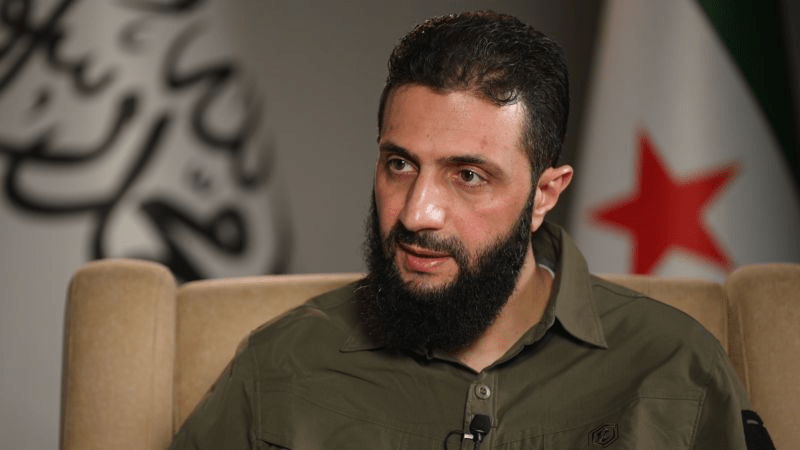
Who is Abu Mohammed al-Julani, Leader of HTS in Syria, and How Might He Rule Syria?

Abu Mohammed al-Julani, the leader of Hay’at Tahrir al-Sham (HTS), has become a central figure in Syria’s civil conflict, steering his group from its roots as an Al-Qaeda affiliate to a locally focused governing body in Syria’s northwest. His leadership style and governance model have sparked debate, but many argue that his pragmatic approach offers a unique solution for stability in a war-torn nation.

Who is Abu Mohammed al-Julani, Leader of HTS in Syria, and How Might He Rule Syria? Read More »

The Fall of Assad in Syria: Implications for Pakistan and the Intensification of the Saudi-Iran Cold War

The fall of Bashar al-Assad’s regime in Syria represents a seismic shift in Middle Eastern geopolitics with far-reaching consequences. While the immediate effects have been felt most acutely by regional powers, the ripple effects will reverberate globally, affecting countries like Pakistan. With Saudi Arabia and Iran already engaged in a long-standing cold war, Assad’s departure has further exacerbated this rivalry, raising tensions in the region and globally. This blog explores how the fall of Assad in Syria will impact Pakistan and why the cold war between Saudi Arabia and Iran is set to intensify, with historical references, quotes, and expert insights highlighting the significance of these developments.

The Fall of Assad in Syria: Implications for Pakistan and the Intensification of the Saudi-Iran Cold War Read More »

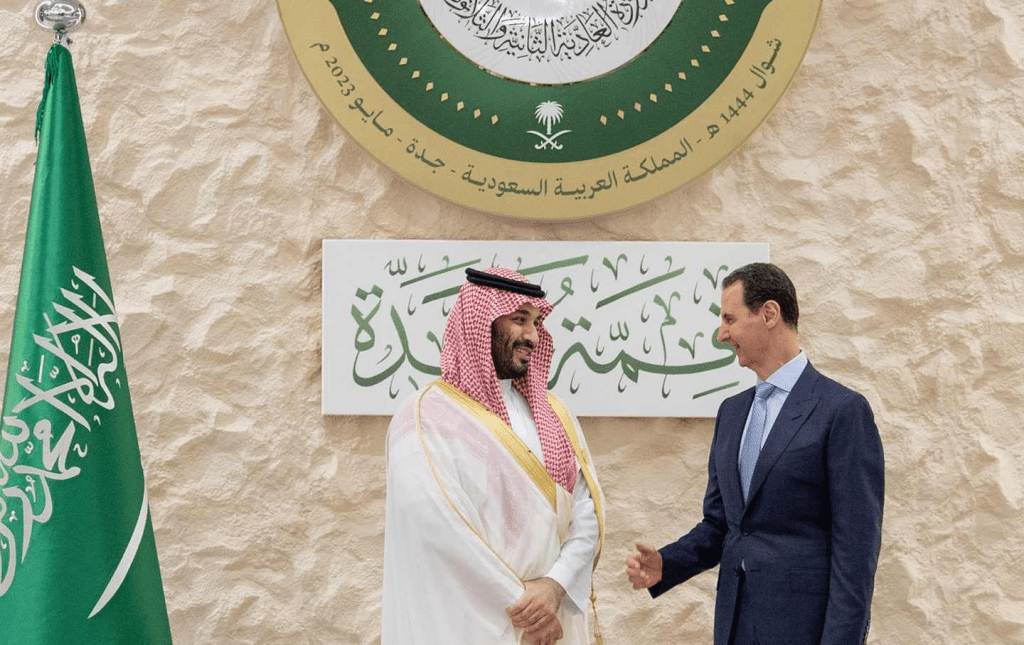
Saudi Arabia’s Victory in Syria: Implications for the Middle East and Israel

Saudi Arabia’s influence in Syria has surged over recent months, with a notable shift in the region’s power dynamics following the collapse of Bashar al-Assad’s regime. While the fall of Assad has sparked celebrations among many, it also signals the beginning of a new geopolitical era in the Levant. The exit of Assad, long backed by Iran and Russia, has paved the way for Saudi Arabia to assert itself more decisively in the region. This article explores how Saudi Arabia’s growing role in Syria is reshaping Middle Eastern geopolitics and its potential benefits for Israel.

Saudi Arabia’s Victory in Syria: Implications for the Middle East and Israel Read More »

How Saudi Arabia Won in Syria: The Cold War with Iran and Its Implications for the Middle East and Israel

The Syrian Civil War, which erupted in 2011, transformed the Middle East into a theater of proxy battles, sectarian strife, and geopolitical maneuvering. While much of the world focused on the devastating toll the conflict had on civilians, a less visible but equally important dynamic unfolded: the struggle between Saudi Arabia and Iran for dominance in the region. In the wake of the war’s conclusion and Bashar al-Assad’s fall in December 2024, Saudi Arabia’s strategic position has significantly strengthened, marking a key moment in the broader context of the Middle East’s shifting alliances.

How Saudi Arabia Won in Syria: The Cold War with Iran and Its Implications for the Middle East and Israel Read More »

The Aftermath of Assad’s Fall: What to Expect for Syria’s Future

The fall of President Bashar al-Assad’s regime in December 2024 marked the end of a 24-year authoritarian rule, signaling a historic shift in Syria’s complex and volatile political landscape. For many Syrians, it was the culmination of over a decade of uprisings, civil war, and suffering. However, the swift collapse of Assad’s regime and the subsequent rise of the Islamist rebel group Ha’yat Tahrir al-Sham (HTS), with the support of Turkey-backed forces, has left the region in uncertainty. In the aftermath, Syria faces significant challenges, with the potential for regional power shifts, political upheaval, and a fractured future.

The Aftermath of Assad’s Fall: What to Expect for Syria’s Future Read More »