Pakistan’s security apparatus needs an urgent doctrinal and operational reset. The evolving threat from TTP—now integrating quadcopters, swarm tactics, and FPV drones—is no longer a tribal insurgency; it’s morphing into a hybrid warfare model. Meanwhile, the Balochistan Liberation Army (BLA) has transitioned into an urban, decentralized, and ISKP-inspired terror network—leveraging magnetic IEDs, lone-wolf operations, psywarfare, and digital propaganda to destabilize the state. Its financial ecosystem—rooted in narco-trafficking, hawala networks, and foreign NGO funding—continues to bypass scrutiny.
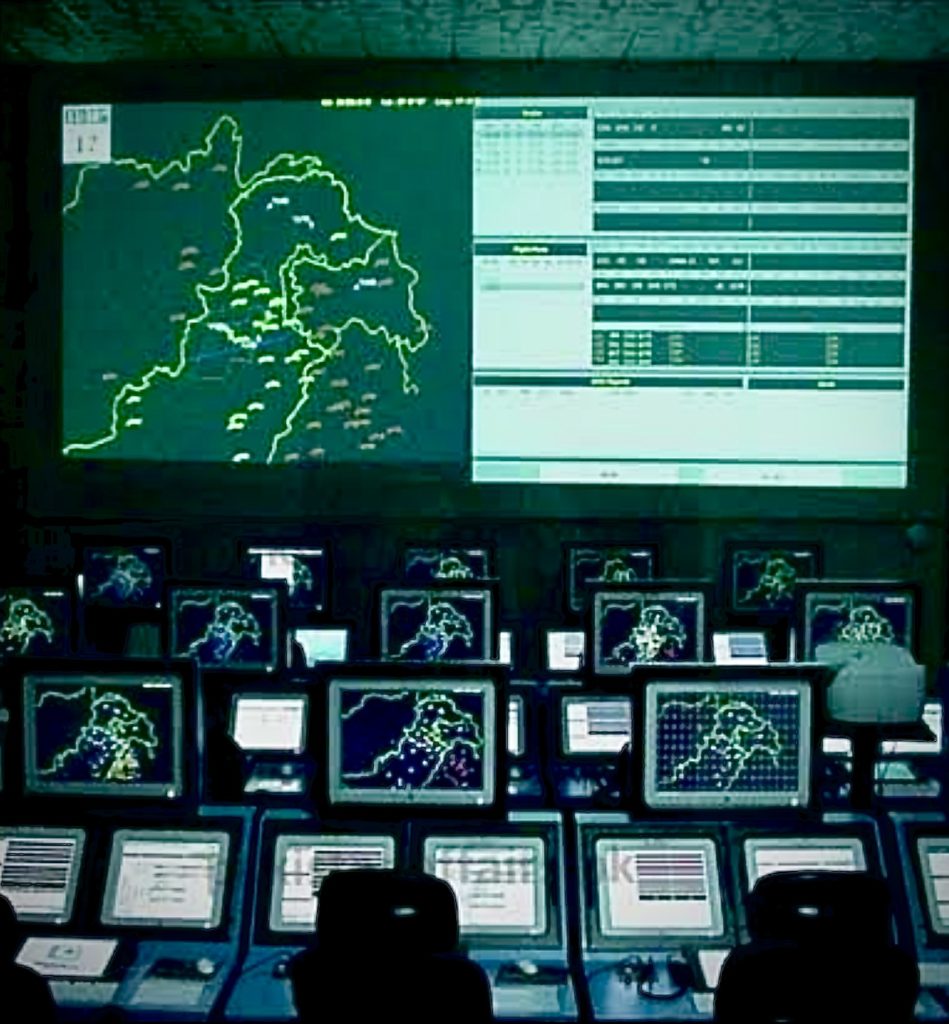
To counter these hybrid threats, the Pakistan Army must invest in a multi-layered, integrated ISR (Intelligence, Surveillance, Reconnaissance) architecture. That means merging military and civilian intelligence under a unified command with real-time situational awareness, supported by drones, sensors, and AI-based data fusion centers.
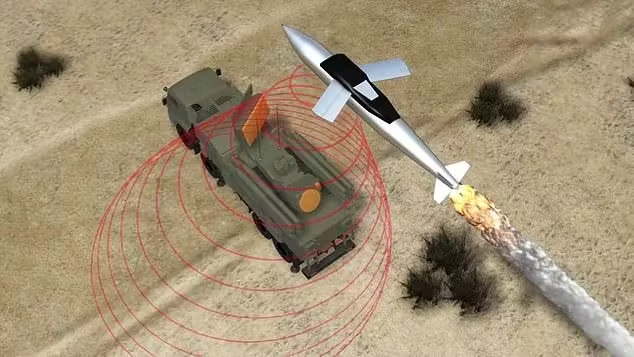
Moreover, bases and key assets must be hardened with layered anti-drone defenses, including jammers, radar-linked kinetic interceptors, and portable EW systems. Local intelligence gathering remains dangerously weak—revitalizing it through community-based networks, digital surveillance, and trained local auxiliaries is essential. Above all, the Army must shift from reactive deployments to proactive disruption: ambushes, raids, and electronic warfare to deny both TTP and BLA the freedom of movement and influence. Without these changes, the war will move from the frontlines to the heartland.