
By Zohaib Ahmed | 9th March 2026
A Quiet Gulf Response
Silence has become a central feature of the Gulf response to the war involving Israel and Iran. Governments across the Gulf Cooperation Council have avoided direct military involvement despite pressure from several directions. Their restraint has drawn criticism from commentators who argue that regional powers should confront Iran more directly. Officials in the region view the situation through a different lens.
For Gulf states, entering the conflict would expand the battlefield. Major cities, oil facilities, and desalination plants would become immediate targets. Energy exports and water supply systems form the backbone of Gulf economies and daily life. Any escalation that places those assets at risk carries consequences that extend far beyond the battlefield.
The quiet posture from these governments reflects a calculation. By declining to join military operations, they avoid providing the broader coalition that some policymakers in Washington and Tel Aviv expected when the war began.
Coalition That Never Formed
Israel’s early war aims focused on weakening Iran’s leadership while mobilizing regional partners to apply sustained pressure. That coalition has not materialized. No major Muslim country has entered the conflict alongside Israel. The absence of regional participation has left Israel bearing a larger share of the direct military burden while the United States faces rising operational demands.
Each day the conflict continues under these conditions shifts the balance of pressure. Israel must manage ongoing operations while addressing domestic security concerns. The United States maintains military deployments across the region while attempting to prevent escalation with Iran and its partners.
Security Concerns Inside the Gulf
Gulf officials have also watched attempts to provoke wider conflict. Security incidents inside several Gulf states have involved operatives suspected of preparing destabilizing actions. Authorities responded by detaining individuals linked to those activities.
These cases suggest that regional governments expect attempts to trigger escalation. Officials believe such incidents aim to draw them into the conflict by force or by retaliation.
Diplomatic activity has reinforced the Gulf position. Countries including Pakistan and Turkey have worked through political and security channels to encourage restraint among governments and regional groups. Their efforts focus on preventing a chain reaction that could transform a contained war into a regional one.
The approach rests on patience. Gulf states appear determined to prevent the conflict from spreading into their territory while allowing pressure to remain concentrated on those already engaged in the war.
Claims Involving the United Arab Emirates
Recent developments involving the United Arab Emirates have added a new layer of tension.
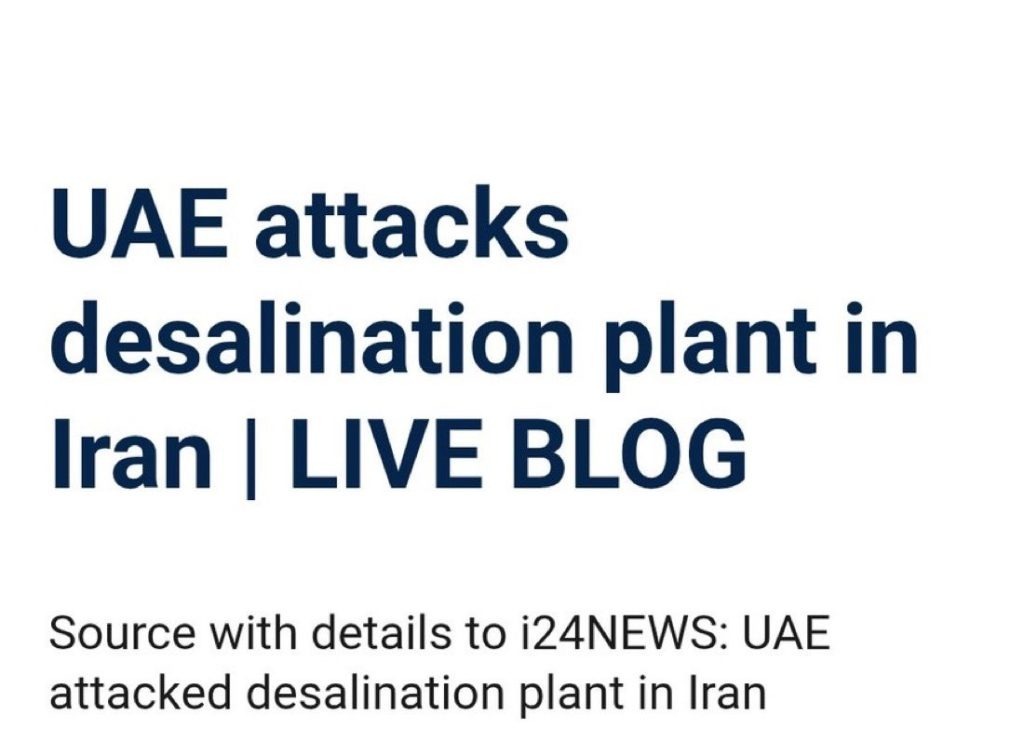
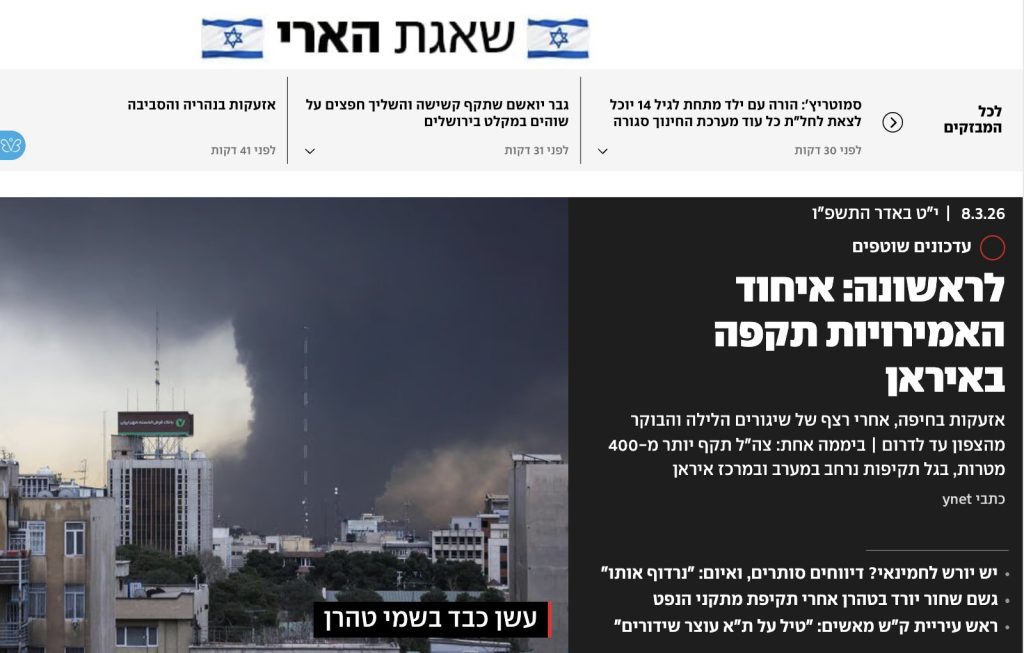
Israeli media outlets began circulating reports that the UAE had carried out strikes against Iranian desalination facilities. The reports described the attack as the first Emirati military action against Iran since the conflict began.
The narrative quickly gained attention because of the implications it carries for the UAE. Desalination plants represent a critical national asset. Roughly 42 percent of the country’s potable water comes from desalinated seawater.
Linking the UAE to attacks on similar infrastructure inside Iran highlights a sensitive vulnerability. If Iran accepted the claim as fact, Emirati water systems could become potential targets for retaliation.
Questions Over Trust Between Partners
The reports also raise questions about the relationship between Israel and the UAE. Since the signing of the Abraham Accords, the two countries have developed close diplomatic and economic ties. Cooperation expanded across technology, investment, and security channels.
The sudden appearance of claims linking the UAE to a strike on Iranian infrastructure therefore carries unusual weight.
If the information originated from a security leak, it suggests a breakdown in confidentiality between partners that have worked together in sensitive areas. If the claim is inaccurate, the consequences could be equally serious because it introduces the possibility that disinformation placed an ally at risk.
Observers note that cooperation between Israel and the UAE reportedly included activity in several regions across North Africa and West Asia. Those operations never produced comparable leaks or public narratives.
The timing of the current reports therefore raises questions. Analysts in the region are examining whether the claims reflect internal disagreements, operational failures, or a deliberate attempt to shift pressure during the war.
A Strategic Risk for Abu Dhabi
For the UAE, the issue extends beyond media coverage. Any suggestion that it participated in attacks on Iranian infrastructure could place the country in a confrontation it has tried to avoid.
Emirati leaders have invested significant effort in maintaining a balanced foreign policy while preserving economic stability at home. Direct involvement in the conflict would expose major cities, shipping routes, and energy assets to risk.
The controversy surrounding the desalination reports has also revived debate about the strategic costs of normalization with Israel.
Reassessing the Abraham Accords
When the Abraham Accords were signed, Emirati officials described the agreement as a step toward regional stability and economic development. The arrangement brought diplomatic recognition and opened new channels for trade and investment.
Supporters argued that closer ties would reduce tensions and create opportunities for cooperation across the region. Critics warned that the agreement could entangle Gulf states in conflicts tied to Israeli security policy.
The current dispute has revived those concerns. Some regional analysts argue that circulating claims about Emirati involvement in attacks against Iran exposes the country to retaliation without its consent.
From their perspective, such actions risk turning a partner into a target.
Regional Restraint Continues
The episode has also highlighted the wider strategy adopted by most Muslim countries since the war began. Governments across the region have refused to enter the conflict despite political pressure and strong public reactions.
Their calculation remains consistent. Expanding the war would expose their own populations and infrastructure while providing limited strategic benefit.
For Gulf states, restraint remains the central policy. Officials continue to monitor the war while maintaining security readiness at home. Diplomatic channels remain active with regional partners and global powers.
The conflict has already produced significant military and political strain. Governments across the Gulf appear determined to prevent that strain from spreading into their territory.
Strategic Consequences Ahead
At the same time, the dispute surrounding the reports about UAE involvement in attacks on Iranian desalination facilities may carry lasting effects. Trust between partners depends on discretion and accurate communication.
If allies believe that cooperation can expose them to sudden public accusations or strategic risk, they may reassess the value of those partnerships.
For Abu Dhabi, the incident raises a direct question about its security posture in a volatile region. The country must balance diplomatic commitments with the protection of critical infrastructure and national stability.
Those calculations will likely shape its approach to regional alliances in the months ahead.