
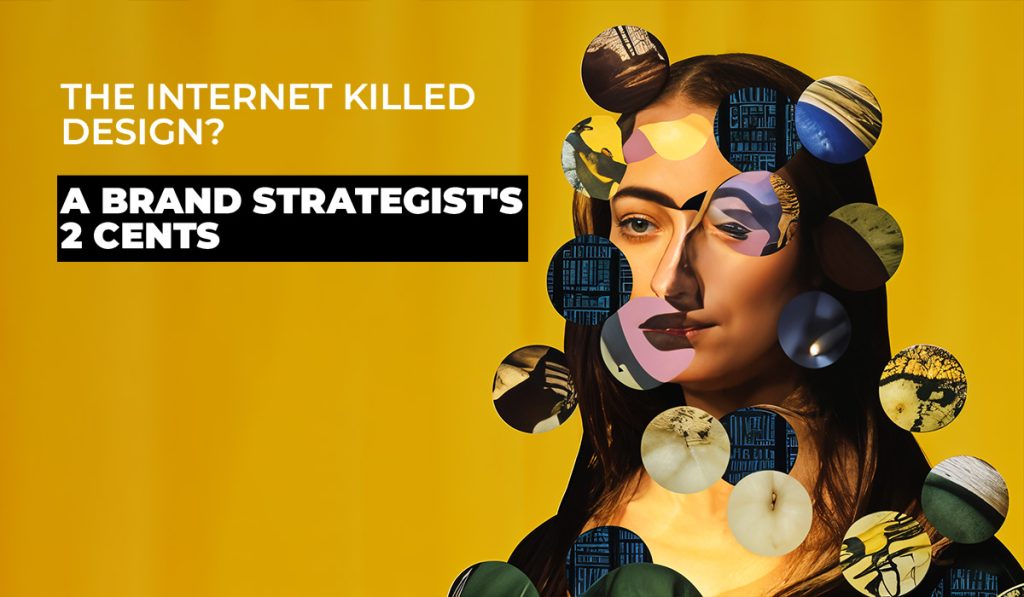
The digital revolution promised to democratize design, putting powerful tools in the hands of everyone. But in its haste to embrace the internet, we seem to have sacrificed much of what made design so compelling in the first place.
Think back to the golden age of print. Iconic designers like Milton Glaser were household names, their work gracing the covers of magazines and influencing entire generations. Design was revered, a craft demanding skill, artistry, and a deep understanding of visual language.
Then came the internet, with its limitations – bandwidth constraints, browser inconsistencies, and the tyranny of the “responsive” design. Suddenly, designers were wrestling with a medium that seemed intent on thwarting their creativity.
- The tyranny of the grid: Responsive design, while well-intentioned, often leads to homogenized layouts, sacrificing visual interest for the sake of cross-platform compatibility.
- The rise of the “no-code” designer: While tools like Elementor and Webflow offer accessibility, they can also lead to a decline in design quality, as users rely on pre-built templates and lack the technical understanding to truly push creative boundaries.
- The mobile-first obsession: Focusing solely on mobile often results in compromised desktop experiences, neglecting the nuances of larger screens.
The result? A sea of mediocrity, where websites often resemble digital brochures, lacking the personality and impact that truly great design can deliver.
But all hope is not lost.
As a brand strategist, I believe that true design excellence lies in understanding the unique needs and aspirations of the brand. It’s about crafting experiences that are not just visually appealing, but also meaningful, engaging, and effective.
Here’s my 2 cents:
- Embrace constraints as opportunities: True creativity often thrives within limitations. Embrace the challenges of the digital landscape and find innovative ways to express your brand within those constraints.
- Prioritize user experience: Design should always be user-centered. Understand your audience’s needs and behaviors, and create experiences that are intuitive, enjoyable, and accessible.
- Invest in quality: Don’t compromise on design quality. Hire skilled designers, provide them with the right tools, and empower them to create exceptional work.
- Embrace the human element: In a world of automation, human connection is more important than ever. Use design to build emotional connections with your audience and foster meaningful relationships.
But here’s the thing: as a brand strategist, I believe the key to thriving in this landscape is adapting and embracing the new while staying true to the essence of what makes great design. Yes, the web has changed, but so has our ability to create. There’s still room for stunning, functional design in the digital space—we just need to think smarter, not harder.
If you’re ready to evolve your brand in the digital age and make your designs stand out in a sea of clutter, don’t settle for mediocre. BetterCallZohaib—let’s create something that not only works but wows!