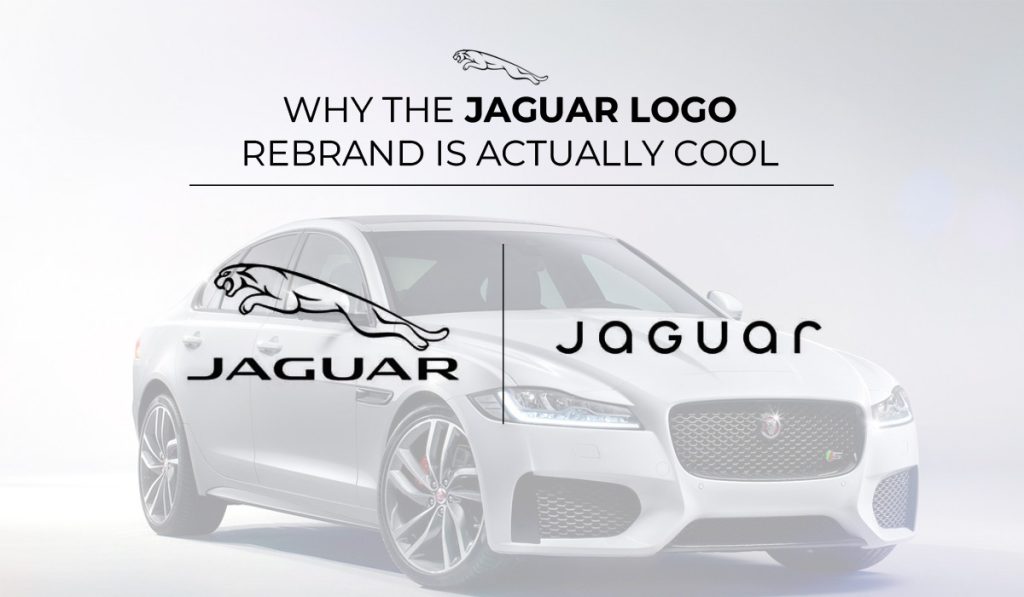
Let’s talk Jaguars—not the big cat, but the brand. The recent Jaguar rebrand has sent the internet into an emotional tailspin. Between the sleek 30-second launch video (which, surprise, didn’t even show a car) and the retirement of the iconic “growler” logo, people are acting like JLR just ran over their childhood dreams. But here’s the twist: I think it’s brilliant. Let me break it down. A Roaring Context: Why the Rebrand? First, let’s acknowledge the facts. Jaguar Land Rover (JLR) isn’t just rebranding for fun—it’s about survival and reinvention. Five years ago, the company was bleeding money, but a strategic pivot changed everything. Thanks to pricey Range Rover models (hello, $125,000 SVs!), JLR became profitable, shifting from selling volume to selling value. By 2023, JLR slashed its annual car sales from 660,000 to 300,000 units, yet turned a profit because they made $25,000 per car on average. That’s like a sports team cutting their roster in half but winning every game. The problem? Jaguar wasn’t pulling its weight. With just 64,241 cars sold globally in 2023, the brand was a financial drag. Enter Reimagine Strategy: Jaguar goes electric, high-end, and future-focused. By ditching internal combustion engines and betting big on EVs, Jaguar is positioning itself for a market that’s ready to shell out big bucks for exclusivity. The Logo Drama: Growler Out, Minimalism In Ah, the logo—the heart of this internet uproar. The classic “growler” (that slightly aggressive cat face) has been retired, replaced by a modern, minimalist typeface. Is it bold? Yes. Controversial? Absolutely. But here’s the thing: The old growler, while nostalgic, wasn’t exactly iconic. From afar, it looked more like a rejected Disney villain. The new logo? It’s clean, sleek, and future-forward, much like the brand’s electric ambitions. The font itself is a subtle masterpiece, with curves that echo the grace of a leaping jaguar. This isn’t just a logo; it’s a statement. It says, “We’re no longer about yesterday’s luxury; we’re redefining tomorrow’s elite.” Why the Rebrand is a Marketing Masterclass Sure, the rebrand has stirred the pot. Even Elon Musk chimed in with his two cents. But here’s the kicker: attention is the currency of modern marketing. 1.5 million views and 24,000 comments on the launch video in just four days. That’s blockbuster-level buzz. Jaguar isn’t trying to appease its old customer base; it’s targeting new, affluent buyers—the type who’d drop $200,000 on a luxury EV. Remember the Joker’s line in The Dark Knight? “Introduce a little anarchy, and everything becomes chaos.” That’s exactly what JLR is doing—shaking up the narrative to make everyone watch. Oscar Wilde said it best: “The only thing worse than being talked about is not being talked about.” Jaguar is leaning into the controversy, and honestly, it’s working. A Nod to the Minimalism Hate Train Now, let’s address the internet’s “hate boner” for minimalist logos (yes, Reddit, I’m looking at you). The argument is always the same: “Why does everything have to look so simple?” But here’s the reality: simplicity scales. Minimalist logos are easier to recognize on digital platforms, where most branding lives today. Studies show that 94% of first impressions are design-related, and clean, modern visuals build trust faster. So while the growler was iconic to some, the new logo sets the stage for Jaguar’s all-electric future—a future that’s sleek, sophisticated, and unapologetically bold. Final Thoughts: Why This Matters This isn’t just about a logo or a rebrand. It’s about a legacy evolving. Jaguar isn’t abandoning its heritage; it’s redefining it for a new era. The leaping jaguar might still grace their EVs as a hood ornament, but the brand itself is now leaping into uncharted territory. By investing £15 billion over five years in electrification, Jaguar is putting its money where its mouth is. And come December 2nd, when the new EV is unveiled in Miami, all eyes will be on it. To quote Tony Stark: “Sometimes you gotta run before you can walk.” Jaguar is doing just that, and the controversy? That’s just fuel for the journey. So, is the Jaguar rebrand cool? Absolutely. It’s the kind of bold move that will make people talk—and isn’t that what great branding is all about? Coca-Cola vs. Pepsi: Why the Real Winner Isn’t Always Who You Think Picture this: Coca-Cola is the flashy superhero of marketing. Its name alone conjures up red cans, Christmas polar bears, and cameos in every blockbuster from Home Alone to Stranger Things. It’s the brand equivalent of Robert Downey Jr.’s Iron Man—charismatic, omnipresent, and beloved by the masses. But here’s the kicker: If this were a financial showdown, Pepsi would be Tony Stark after the snap—surprisingly triumphant. The Numbers Don’t Lie Let’s get fizzy with the facts: Since 1972, Coca-Cola’s shareholder returns have risen by a respectable 4,412.5%. Not bad, right? Pepsi, however, is sipping the sweet nectar of a 10,865.9% surge in shareholder value over the same period. That’s over 2.4x the growth. So while Coca-Cola was busy being the prom king of branding, Pepsi diversified its way into Wall Street valedictorian status. How Pepsi Outsmarted Coca-Cola Pepsi’s secret weapon? A portfolio as stacked as a buffet table at a Super Bowl party: Snacks Galore: With Frito-Lay in its corner (think Doritos, Lays, and Cheetos), Pepsi dipped into the salty-snack market—a sector that consistently grows faster than soda. Less Reliance on Soda: While Coca-Cola doubled down on its sugary empire, Pepsi quietly reduced its dependency on carbonated drinks, expanding into healthier options like Aquafina and Tropicana. Sustainable Practices: Pepsi committed to more eco-friendly practices, which played well with younger, more climate-conscious consumers. Meanwhile, Coca-Cola kept pouring syrup into its marketing juggernaut, banking on nostalgia and pop culture to stay on top. Sure, we all hum “I’d like to buy the world a Coke,” but apparently, investors would rather buy PepsiCo stock. The Boycott Factor: Coca-Cola’s Bubbly Reputation Burst Coca-Cola’s popularity has also made it a prime target for global boycotts. From accusations of unethical labor practices to concerns over its