Zohaib Ahmed

Zohaib Ahmed

Zohaib Ahmed is a defense analyst, strategic communications specialist, and founder of Vertical Foresight, an independent platform focused on defense industries, geopolitical risk, military technology, and strategic influence. His work centers on helping organizations communicate complex capabilities, market positioning, and strategic relevance to international audiences through high-value research, comparative analysis, and narrative development. With more than 12 years of experience in content strategy and brand positioning, he has advised organizations across technology, media, and emerging industries. He is also the founder of The New World Disorder and a published author whose research examines the intersection of defense, economics, AI, and geopolitical transformation.

The Internet Killed Design? A Brand Strategist’s 2 Cents

The digital revolution promised to democratize design, putting powerful tools in the hands of everyone. But in its haste to embrace the internet, we seem to have sacrificed much of what made design so compelling in the first place. Think back to the golden age of print. Iconic designers like Milton Glaser were household names, their work gracing the covers of magazines and influencing entire generations. Design was revered, a craft demanding skill, artistry, and a deep understanding of visual language. Then came the internet, with its limitations – bandwidth constraints, browser inconsistencies, and the tyranny of the “responsive” design. Suddenly, designers were wrestling with a medium that seemed intent on thwarting their creativity. The tyranny of the grid: Responsive design, while well-intentioned, often leads to homogenized layouts, sacrificing visual interest for the sake of cross-platform compatibility. The rise of the “no-code” designer: While tools like Elementor and Webflow offer accessibility, they can also lead to a decline in design quality, as users rely on pre-built templates and lack the technical understanding to truly push creative boundaries. The mobile-first obsession: Focusing solely on mobile often results in compromised desktop experiences, neglecting the nuances of larger screens. The result? A sea of mediocrity, where websites often resemble digital brochures, lacking the personality and impact that truly great design can deliver. But all hope is not lost. As a brand strategist, I believe that true design excellence lies in understanding the unique needs and aspirations of the brand. It’s about crafting experiences that are not just visually appealing, but also meaningful, engaging, and effective. Here’s my 2 cents: Embrace constraints as opportunities: True creativity often thrives within limitations. Embrace the challenges of the digital landscape and find innovative ways to express your brand within those constraints. Prioritize user experience: Design should always be user-centered. Understand your audience’s needs and behaviors, and create experiences that are intuitive, enjoyable, and accessible. Invest in quality: Don’t compromise on design quality. Hire skilled designers, provide them with the right tools, and empower them to create exceptional work. Embrace the human element: In a world of automation, human connection is more important than ever. Use design to build emotional connections with your audience and foster meaningful relationships. But here’s the thing: as a brand strategist, I believe the key to thriving in this landscape is adapting and embracing the new while staying true to the essence of what makes great design. Yes, the web has changed, but so has our ability to create. There’s still room for stunning, functional design in the digital space—we just need to think smarter, not harder. If you’re ready to evolve your brand in the digital age and make your designs stand out in a sea of clutter, don’t settle for mediocre. BetterCallZohaib—let’s create something that not only works but wows!

The Internet Killed Design? A Brand Strategist’s 2 Cents Read More »
Social Media Trends 2025: What’s IN and OUT (I’m calling it…)

The social media landscape in 2025 is shaping up to be bold, chaotic, and (thankfully) a little more human. If you’re still stuck in the “talking heads on a blank background” phase or using stock photos straight out of a 2010 PowerPoint deck—this is your intervention. Here’s what’s IN and OUT as we head into the new year. 🚫 OUT: Trends That Need to Retire (RIP, not really) 1. TikTok Trends Nobody Asked For Unless your CEO has an uncanny obsession with the “Roman Empire” trend (and honestly, maybe he does), let it go. The era of hopping on every viral dance or niche trend is over. Consumers want authenticity, not awkward corporate attempts at lip-syncing. Stat: A 2024 survey found that 68% of Gen Z scroll past “trend-jumping” brand content because it feels forced. Movie Reference: Think of it like Mean Girls—”Stop trying to make ‘fetch’ happen.” Just stop. 2. Overpolished Videos If your social video looks like a cinematic ad for a luxury car, we’re already snoozing. Today’s audience craves lo-fi, relatable content. Anything that screams “We spent $50,000 on this promo” will likely flop harder than Cats (2019). Fact: Relatable, unpolished videos have 35% higher engagement than overly produced ones, according to Sprout Social. 3. Threads. You Tried. We All Tried. Meta’s Threads had its moment—blink and you missed it. The “Twitter killer” struggled to retain users because, honestly, it didn’t know what it wanted to be. We’re all politely moving on. 4. Stock Photos in Ads If I see another grinning businessperson shaking hands like they just landed a vague multinational deal, I’m uninstalling the internet. Use real images, or better yet, memes. Stat: Ads with custom, authentic visuals receive 56% more clicks than those with stock photos. 5. AI Overload AI tools are great for brainstorming captions or automating admin tasks. But letting AI write your entire online personality? Big nope. If your post reads like ChatGPT got bored halfway through, we’re not clicking. Bonus: People are catching on—52% of consumers say they can spot AI-generated content a mile away, and it turns them off. Movie Reference: Remember Ex Machina? If your AI-driven posts feel robotic, don’t be surprised when your audience pulls the plug. 6. Talking Head Videos (Without Subtitles) One person. A white wall. Five minutes of monotony. And no subtitles? You’ve already lost the 85% of users who scroll through content on mute. 7. Engagement-Baiting “Like if you agree, share if you don’t!” We’re not doing that anymore. It’s 2025—earn your engagement with creativity, not desperation. ✅ IN: Trends We’re All Hyped About 1. Vertical Video for Everything TikTok and Instagram nailed it, and now LinkedIn is rolling out vertical immersive video features. Tall, scroll-stopping content is no longer optional. If it’s not vertical, it’s invisible. Fact: 80% of social media users prefer vertical video formats, and LinkedIn’s engagement rates for videos jumped by 44% in 2024 alone. Movie Reference: Remember Inception? The vertical format is the kick your content needs to wake your audience up. 2. Subtle Corporate Gossip Hinting at drama—without naming names—is the new marketing flex. Throw in a wink emoji, and watch the comments section light up. Example Post: “When your competitor thinks they can copy your strategy, but you’ve already moved on to phase two 👀.” 3. Actually Knowing Your Audience Stop targeting me with gym ads when I’m 500 miles away. Seriously. Hyper-local and hyper-relevant targeting is the key to not wasting ad spend (or annoying your audience). Stat: Poor targeting costs businesses 21% of their ad spend annually. 4. Niche Memes > Generic Advice No one cares about your “10 tips for beating the algorithm.” Hyper-specific, relatable memes are where the magic happens. Example: If your meme doesn’t make someone in a niche profession say, “This is literally me,” you’re doing it wrong. 5. Live Shopping = Impulse Heaven Live shopping streams are taking over. It’s part show, part sell, and 100% addictive. By the time the host finishes their demo, viewers are hitting Buy Now. Fact: The live shopping industry is projected to hit $68 billion globally by the end of 2025. Pro Tip: Get a charismatic host who knows how to build FOMO (fear of missing out). 6. Brutal Honesty Transparency isn’t just refreshing—it’s click-worthy. Example: “We spent our entire marketing budget on this ad. Please buy something so we can do it again next year.” 7. Rogue LinkedIn Polls Does pineapple belong on pizza? No one cares, but we’re all voting anyway. Polls that spark playful debates (or hilariously irrelevant discussions) drive engagement like crazy. Prediction for 2025 The brands that win will speak human. Stop trying to play it safe. Be bold, be funny, and be the reason someone screenshots your post for their group chat. If you’re still making talking-head videos with no subtitles? Well, we need to talk. That’s your 2025 social media survival guide. Got your own INs and OUTs? Slide into the comments—I promise I’ll read them all (okay, maybe not all, but most). 🎥📈

Social Media Trends 2025: What’s IN and OUT (I’m calling it…) Read More »

What’s Next for Graphic Design? Let’s Dive into the Future!

Graphic design is a constantly shifting landscape, shaped by technology, changing tastes, and cultural currents. So, if you’re a designer, standing still is not an option. To get the inside scoop on where the graphic design world is heading, we chatted with some top industry pros. But before we go further, let’s set the record straight – we’re not talking about “trends” like the hottest new fonts or colors. Nope, we’re diving deeper into what’s shaping the future. So buckle up, this is going to be a fun ride! Bye-Bye Trends, Hello Timeless Branding Let’s start with the basics. Trends are fleeting, like the “must-have” fashion of the season – one minute it’s in, the next minute it’s gone. As Max Ottignon, co-founder of Ragged Edge, puts it, “Trends are like waves that come and go; our job as designers is to build something that lasts.” Instead of hopping on the trend train, great designers create unique, lasting brands that stand the test of time. And in a world where everything feels similar, standing out is more important than ever. AI is Changing the Game (And It’s Here to Stay) Okay, let’s address the elephant in the room: AI. It’s everywhere, and for good reason. Simon Case, founding partner of Chromatic Brands, shares how AI has been a game-changer. What used to be hours of resizing ads? Now, it’s a click of a button and a tea break later – boom, done. Need a design visualization for a big trade show? AI can whip that up in half a day, something that used to take weeks. AI is making things faster and more efficient, and as Max says, “Those who can think differently are the ones who will rise above the sea of sameness.” So what’s the key to staying relevant? You’ve gotta bring your A-game of strategic thinking. AI might be able to do the grunt work, but the creative strategy and original ideas? That’s where the human touch comes in. The Power of Authenticity With consumers craving more real connections, Tebo Mpanza, co-founder at Unfound, says it’s all about authenticity. Gone are the days of just pretty pictures – now, it’s about telling stories that resonate. “Brands are using immersive tech to give people real experiences,” says Tebo. Think beyond just seeing a product – what about experiencing it? That’s the future of branding: personal, authentic, and immersive. Personalized Experiences for the Win And here’s the kicker: personalization is the future. Thanks to AI and machine learning, brands can tailor experiences like never before. It’s not just about getting your name on a product anymore – it’s about understanding you. Tebo points out that brands like Nike are going all-in with personalized experiences, even turning running events into marketing moments. That’s the future: brands becoming a part of your life, not just something you buy from. Small Teams, Big Ideas Let’s talk team dynamics. The age of big agencies with tons of middle managers? It’s fading away. Barrington Reeves, founder of Too Gallus, sees the rise of smaller, more agile teams. Why? Because designers today are more skilled than ever. Thanks to access to learning resources, junior designers are coming out of the gate with the skills that used to take years to acquire. Smaller agencies can deliver top-notch work without the massive overhead. In fact, we’re even seeing the rise of solo designers running full-service agencies with the help of AI tools. “It’s like when Macs revolutionized design in the ‘90s,” Simon says. AI is making it easier than ever for designers to work independently – and trust me, it’s only going to grow. Social Media is Your Stage So where will all this amazing design live? Well, let’s talk platforms. Social media is the new front line for design. If you’re not fluent in social media and how it drives branding, you’re going to be left behind. As Barrington puts it, “If you don’t understand how to articulate a brand on TikTok, you’re sunk.” Social media is now where brands launch, grow, and connect with their audiences, so get ready to create for TikTok, Instagram, and beyond. Diversity is Key – and It’s Growing! Lastly, let’s chat about diversity. The design world has a lot of room for improvement when it comes to diversity, but things are changing. Barrington believes that the future of design will be more vibrant and culturally diverse – and we’re already seeing it in the work coming out of agencies that prioritize different perspectives. “The more diverse our teams, the more authentic our designs,” he says. And honestly? We couldn’t agree more. The Future is Now – Let’s Embrace It! The world of graphic design is evolving faster than ever, but one thing is clear: those who combine strategic thinking, creativity, and a deep understanding of emerging technologies will lead the charge. So, what’s next? Designers will become multidisciplinary creative strategists who are just as at home with brand positioning as they are with pixels. And if you’re not already using AI, trust us – it’s time to jump on the bandwagon. The future of graphic design is bright, and we’re here for it. What are you waiting for? Let’s go create the future together!

What’s Next for Graphic Design? Let’s Dive into the Future! Read More »

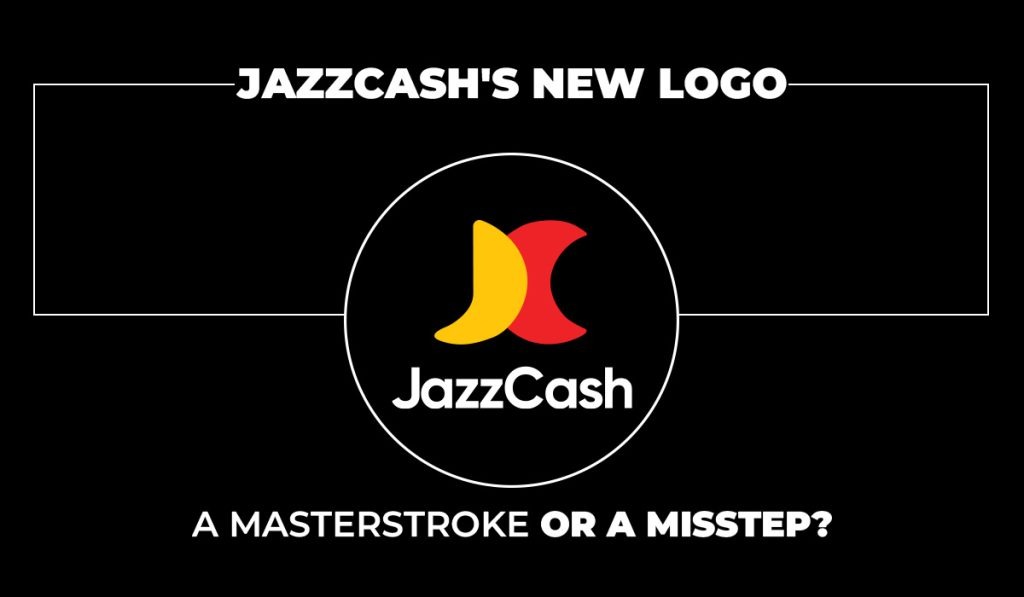
JazzCash’s New Logo: A Masterstroke or a Misstep?

As a brand strategist, I see design choices not just as aesthetic decisions but as strategic moves that shape a brand’s identity, perception, and future growth. JazzCash’s new logo, albeit stirring controversy for resembling Mastercard’s logo, presents an opportunity to delve into its technical and strategic merits. Let’s explore why this design evolution is a calculated step forward and how even the comparisons to Mastercard could be advantageous. 1. Modern and Approachable JazzCash’s new logo embodies a modern aesthetic with its minimalist “JC” monogram and a vibrant color palette. The bold yet clean design aligns with the preferences of today’s tech-savvy, mobile-first audience. The simplicity of the design communicates accessibility, an essential quality for a digital financial service striving for mass adoption.Strategic Insight: Modern logos like JazzCash’s often resonate better with younger, digitally inclined demographics, who prioritize ease of use and contemporary branding. 2. Memorable and Distinctive The interlocking “JC” monogram adds a memorable visual element to JazzCash’s identity. Simple logos have a higher recall rate, making them ideal for mobile apps and social media. JazzCash’s evolution toward a more refined and recognizable logo enhances its market presence in a crowded fintech space.Case Study: Apple’s logo, a simple yet iconic apple silhouette, exemplifies how minimalist logos create lasting impressions without overwhelming the audience. 3. Versatility and Adaptability The logo’s clean geometry allows it to be seamlessly adapted across various platforms—mobile apps, websites, billboards, or merchandise. This scalability ensures that the logo maintains its integrity and recognizability at any size.Practical Application: JazzCash can leverage the logo’s adaptability to create seasonal or campaign-specific variations, ensuring the brand remains fresh and engaging. 4. Flexibility and Evolution JazzCash’s logo is designed with adaptability in mind, enabling variations for campaigns while maintaining a consistent core identity. This flexibility allows the brand to pivot and innovate without losing its essence, crucial in a fast-paced fintech environment.Example: Coca-Cola’s ability to tweak its logo for festive or regional campaigns without diluting its global identity showcases the importance of adaptable design. 5. Global Appeal Minimalist and universally understood design elements transcend cultural and geographical boundaries. For JazzCash, aspiring to expand beyond Pakistan, this global compatibility is invaluable. A visually appealing and straightforward logo builds trust, especially in financial services.Benchmark: Mastercard’s universal recognition highlights the strategic value of logos designed with global appeal in mind. The Mastercard Comparison: A Strategic Advantage Critics argue that the new logo resembles Mastercard’s iconic design. But is that a drawback? Let’s explore the upside: Association with TrustMastercard’s logo symbolizes trust, innovation, and financial reliability. By echoing similar elements, JazzCash subconsciously aligns itself with these values. Recognition BoostFamiliarity reduces skepticism. A logo reminiscent of Mastercard may resonate better with consumers, particularly those new to digital payments, as it feels familiar and credible.Stat Insight: A 2023 study by Logos Research Lab revealed that logos evoking positive associations from familiar designs enhance customer trust by 23%. Market PositioningIn the fintech sector, being perceived as a peer to Mastercard positions JazzCash as a serious contender in digital financial services. This strategic positioning supports its ambitions to expand its market share and influence. Case in Point: Samsung’s design evolution often parallels Apple’s aesthetic choices, leveraging the comparison to signify its position as a premium competitor. Strategic Implementation Post-Redesign To capitalize on the new identity, JazzCash must focus on the following: Brand ConsistencyUniform implementation of the logo across all touchpoints—digital and physical—will reinforce recognition and trust. Customer Feedback LoopGathering and acting on user feedback ensures the logo resonates with the target audience and adapts to preferences over time. Long-term EvolutionA logo is a living asset. JazzCash should view this as the first step in an iterative journey, ensuring the brand evolves in line with market dynamics and consumer expectations. Conclusion: A Vision for 2024 and Beyond JazzCash’s new logo is not merely a design change; it’s a statement of intent. It signals a shift towards a more modern, dynamic, and globally competitive brand identity. The resemblance to Mastercard is not a flaw but a strategic alignment with globally recognized design principles, enhancing trust and familiarity. With Pakistan’s financial ecosystem rapidly digitizing—evidenced by JazzCash’s 19.2 million active users and growing influence—the new logo positions the brand for local dominance and international growth. By embracing innovation while staying open to feedback, JazzCash can cement its status as a leader in the fintech space, proving that a logo is not just a symbol but a gateway to a brand’s future.

JazzCash’s New Logo: A Masterstroke or a Misstep? Read More »