
By Zohaib Ahmed | 19 August 2025
Introduction
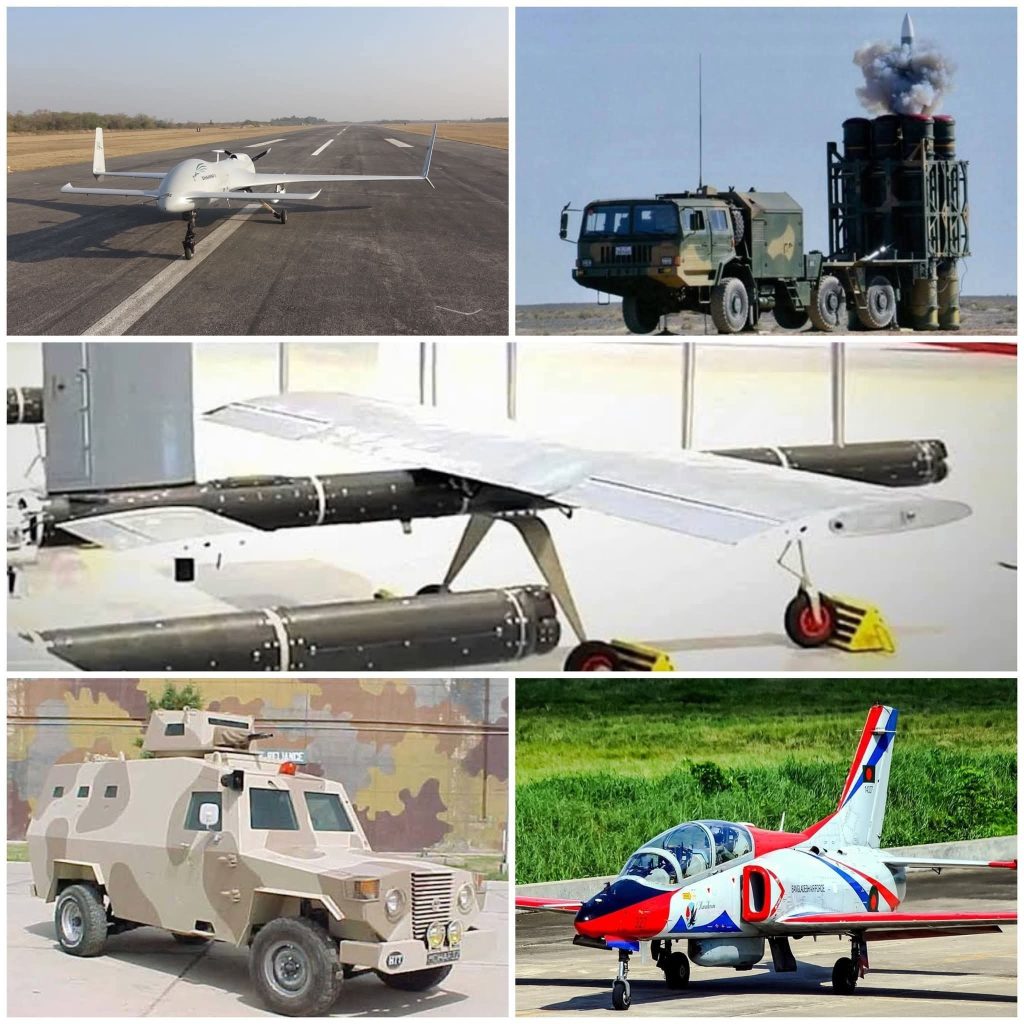
In August 2025, Pakistan secured a landmark defense agreement with Sudan’s Military Industry Corporation, valued at $1.5 billion. This deal encompasses a comprehensive suite of military assets, including aircraft, drones, armored vehicles, and air defense systems. While the contract’s specifics remain classified, its implications are profound, influencing regional power dynamics and global defense equilibria.
Over the past several months, Pakistan has been quietly supporting Sudan’s government amid the ongoing conflict. This support has included humanitarian aid, such as food and essential supplies, delivered in collaboration with Alkhidmat Organization to assist Sudan during this critical period.
Technical Breakdown of the Deal
1. K-8 Karakorum Aircraft (10 Units)
The K-8 Karakorum is a light attack and advanced trainer aircraft developed jointly by Pakistan and China. With a dual-role capability, it serves as an effective platform for both pilot training and light combat missions. Its integration into the Sudanese Air Force will enhance their operational flexibility and strike capabilities.ThePrint Sudan’s air force currently operates 5 K-8 aircraft imported from China, which have been deployed in ground attack missions. However, evolving operational requirements suggest that Sudan is looking to upgrade its fleet to the more advanced K-8P variant.
The K-8P offers significant enhancements over the standard K-8. It can carry air-to-air missiles, precision-guided munitions (PGMs), and laser-guided bombs, dramatically improving its strike capability. The upgraded digital avionics and glass cockpit allow for more efficient mission execution and better situational awareness in modern combat environments. These improvements not only expand the aircraft’s operational flexibility but also enhance survivability and range, making it better suited for Sudan’s current and future military needs.
2. Shahpar-2 UCAVs (20 Units)
The Shahpar-2 is an indigenous Pakistani medium-altitude long-endurance unmanned combat aerial vehicle (UCAV). Equipped with precision-guided munitions, it offers surveillance and strike capabilities, crucial for modern warfare. Its deployment will bolster Sudan’s intelligence, surveillance, and reconnaissance (ISR) operations.
3. YIHA-III Drones (150 Units)
The YIHA-III is a tactical drone system designed for reconnaissance and surveillance. Its lightweight design and extended endurance make it suitable for battlefield intelligence gathering, providing real-time data to commanders.
4. MR-10K UAVs (50 Units)
The MR-10K is a medium-range UAV capable of both ISR and strike missions. Its versatility allows for a range of operations, from border patrols to targeted strikes, enhancing Sudan’s aerial capabilities.
5. Ababeel-5 UAVs (50 Units)
The Ababeel-5 is a loitering munition designed for precision strikes against high-value targets. Its integration into Sudan’s arsenal will provide a potent tool for counterterrorism and anti-insurgency operations.
6. MiG-21 Engines
Pakistan’s provision of MiG-21 engines addresses Sudan’s maintenance needs for its existing fleet of MiG-21 aircraft. This support ensures operational readiness and extends the service life of these legacy platforms.
7. Mohafiz APCs (150 Units)
The Mohafiz is a Pakistani-made armored personnel carrier designed for troop transport in hostile environments. Its inclusion in the deal enhances Sudan’s ground mobility and protection for its forces.
8. HQ-9 and HQ-6 Air Defense Systems
The HQ-9 is a medium-to-long-range surface-to-air missile system, while the HQ-6 is a short-range system. These systems, sourced via China, will augment Sudan’s air defense capabilities, providing layered protection against aerial threats. Regarding air-defense systems, it appears Sudan may be acquiring short-range systems, potentially from the Anza or Faaz family, though precise details remain unclear as official sources have not confirmed the exact models.
Geopolitical Context and Strategic Implications
The Sudanese Civil War and International Alignments
Since April 2023, Sudan has been embroiled in a civil war between the Sudanese Armed Forces (SAF), led by General Abdel Fattah al-Burhan, and the paramilitary Rapid Support Forces (RSF), commanded by Mohamed Hamdan Dagalo (Hemedti). The conflict has resulted in significant humanitarian crises, with over 150,000 deaths and millions displaced .TRT World Research Centre+2Reuters+2The Washington Post+1
International actors have aligned themselves with either faction, influencing the conflict’s dynamics. Pakistan’s support for the SAF aligns with broader strategic interests in the region, particularly concerning counterterrorism and regional stability.The Times+1
U.S. Involvement and Sanctions
The United States has imposed sanctions on Sudan, citing the government’s use of chemical weapons in 2024 . However, reports suggest that the U.S. has tacitly approved Pakistan’s defense deal with the SAF, possibly to counterbalance the influence of other regional powers supporting the RSF .Reuters+1
Regional Power Dynamics
The involvement of countries like Egypt, Turkey, Russia, and the UAE has further complicated the conflict . Pakistan’s engagement with Sudan serves as a strategic countermeasure to these influences, aiming to maintain a balance of power favorable to its interests.The Washington Post
Indian Reaction: Geopolitical Implications
India is almost certainly going to view this deal as a strategic slap in their face, for multiple reasons:
- Regional Influence Check – India sees itself as the dominant South Asian military power, and Pakistan arming a Sudanese force (which could potentially influence Horn of Africa and Red Sea access) signals Pakistan’s ability to project influence globally, far from its borders.
- Strategic Embarrassment – India has tried to position itself as a partner for African defense cooperation, especially in Eastern Africa. Pakistan stepping in with a $1.5B deal rubs India’s face in the fact that Islamabad can outmaneuver New Delhi in high-profile arms deals.
- Airpower & Drone Edge – Sudan acquiring Shahpar-2 UCAVs, YIHA-III drones, MR-10Ks, and Ababeel-5 loitering munitions gives them modern unmanned warfare capability. India has invested heavily in its drone programs and air defense in Africa, and now Pakistan is giving Sudan comparable or better capabilities, which can be seen as a strategic jab.
- Message to India in Global Defense Arena – This deal sends a subtle geopolitical message: Pakistan is no longer a “regional-only” player; it’s capable of strategic global partnerships in military exports while India continues its Africa-focused outreach.
Strategic Spin for Pakistan
- Global Service to Defense Balance: Pakistan can frame this deal as helping maintain stability in Sudan, supporting the legitimate government (al-Burhan), and preventing Sudan from falling entirely under paramilitary or irregular control. This is especially important as the U.S. is pushing for peace talks and monitoring sanctions.
- Subtle Message to India: By exporting high-tech drones, loitering munitions, and refurbished MiG engines, Pakistan signals that India’s monopoly on African defense influence is challenged.
- Indirect Power Projection: Even without Pakistan deploying troops, this deal establishes a shadow presence in the Horn of Africa, potentially giving Islamabad influence over Red Sea maritime routes, arms supply lines, and regional intelligence networks.
Conclusion
Pakistan’s defense agreement with Sudan represents a significant development in regional military cooperation. By supplying advanced military assets to the SAF, Pakistan not only strengthens Sudan’s defense capabilities but also asserts its influence in a geopolitically sensitive region. This partnership underscores Pakistan’s commitment to regional stability and its role in shaping the strategic landscape of the Horn of Africa.