
A Strategic Foresight Analysis
By Zohaib Ahmed | 9th January 2026
Introduction
As of early 2026, the United States and allied actors are executing a profound reorientation of global strategy. South America is increasingly being treated as a new geopolitical “Middle East,” a theater where energy dominance, hemispheric control, and resource extraction converge. At the same time, the Middle East is undergoing realignment, with Israel stepping back from frontline regional engagement following reputational damage in Gaza, and Iran’s political system proving resistant to externally driven regime change. These parallel shifts are shaping a global chessboard of power, influence, and strategic opportunity.
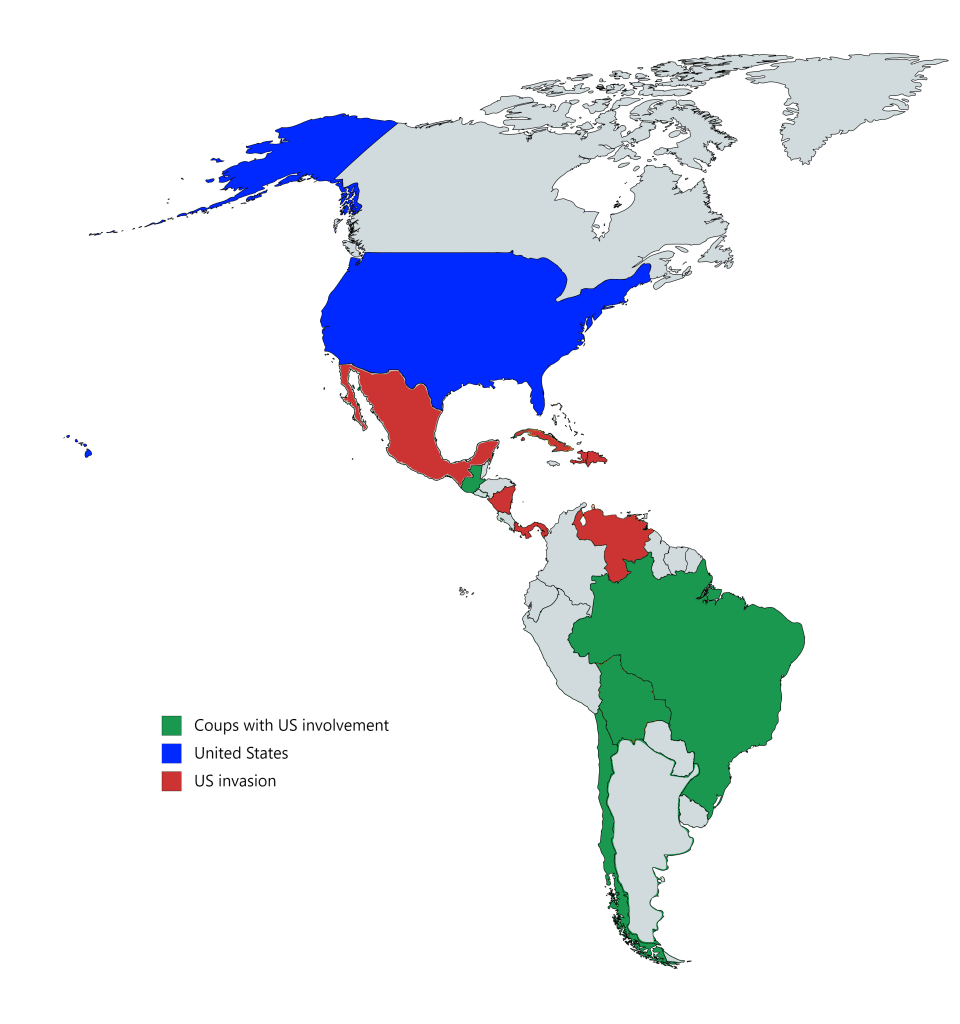
South America: The New Geopolitical Pivot
The U.S. intervention in Venezuela represents the opening salvo of a hemispheric recalibration. The removal of Maduro and consolidation over Venezuela’s vast petroleum reserves underscore a modern reinterpretation of the Monroe Doctrine, termed the “Donroe Doctrine,” blending hemispheric dominance with resource control. Energy is a tool to reassert leverage over markets, political alignments, and long-term security architecture.
Cuba is the next potential node of influence. The abrupt cessation of subsidized Venezuelan oil has paralyzed Havana’s energy grid and disrupted critical revenue streams. While Cuba’s centralized governance and disciplined security forces provide resilience, the U.S. presence in the Caribbean signals coercive leverage designed to reshape regional order without overt invasion.
Greenland also enters the calculus as an Arctic pivot. Its strategic location, mineral wealth, and access to emerging shipping lanes offer long-term value. The Danish rejection of U.S. purchase proposals does not eliminate Washington’s interest; instead, Greenland represents a broader strategy of projecting influence into previously peripheral or stable regions, complementing the South American pivot.
Middle East: Retreat, Realignment, and Containment
In the Middle East, Israel is stepping back from direct engagement. The Gaza conflict in 2025 damaged operational credibility and eroded regional trust. Washington’s strategy reflects a pragmatic shift: allow Pakistan, Saudi Arabia, and Türkiye to stabilize the Middle East while maintaining influence through indirect measures.
Iran demonstrates why external regime change is not feasible. Despite internal dissent and marginal exposure during regional conflicts, the IRGC, Ministry of Intelligence, and state institutions maintain cohesion. Pakistan and other regional powers would resist any externally imposed leadership. Israel’s preferred return of Reza Pahlavi is not a viable solution; only internally negotiated change will be accepted regionally.
Strategic Implications
Collectively, these dynamics reflect a reorientation of Western strategic gravity. South America becomes a theater for resource-centric intervention and regional dominance, while the Middle East enters a phase of managed containment and internal negotiation. The United States and its allies are leveraging coercion, economic pressure, and selective force projection to secure influence where traditional alliances and multilateral frameworks have weakened.
Conclusion
What is unfolding in South America and the Middle East is a coordinated recalibration of global strategy. South America offers the opportunity to consolidate resources, reshape political hierarchies, and establish long-term strategic depth. The Middle East, weakened by reputational setbacks and complex internal balances, is increasingly a region for indirect management rather than kinetic intervention. Together, these trends highlight a world in which force projection, resource control, and strategic foresight are central to maintaining influence in the 2026 global order.