
A Strategic Foresight Analysis
By Zohaib Ahmed | 9th January 2026
Introduction
In 2026, external observers continue to anticipate political upheaval in Iran. Yet despite vulnerabilities exposed during the 2025 Gaza conflict and ongoing internal dissent, regime change has not occurred. Unlike Venezuela, where external coercion and elite fragmentation enabled rapid U.S. leverage, Iran maintains internal command continuity, institutionalized elite control through the IRGC, and a population that has not coalesced around a single replacement authority.
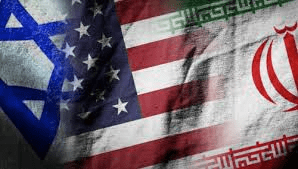
Institutional Resilience
Iran’s political and security apparatus ensures cohesion across multiple levels of governance. The IRGC, Ministry of Intelligence, and regional proxies maintain operational control, monitor dissent, and enforce state priorities. While external observers highlight weaknesses in air defense and proxy performance during the Gaza conflict, these exposures represent marginal limits rather than structural collapse. Any attempt at externally imposed regime change would risk uncontrollable fragmentation, unsecured strategic assets, and escalation of regional conflicts.
Regional Dynamics
A decisive factor constraining external intervention is regional opposition. Pakistan, due to its western frontier, sectarian considerations, and rising strategic relevance, would resist any externally imposed political transition. Türkiye and Saudi Arabia similarly prioritize stability over externally engineered outcomes. Israel’s preference for the return of Reza Pahlavi is not viable; a pro-Israel figure would be unacceptable to any Iranian or regional actor. Unlike Venezuela, no consensus exists among external or regional stakeholders on a post-regime structure, making intervention not only risky but strategically unfeasible.
Lessons from Venezuela and Cuba
The Venezuelan model shows that regime change only succeeds where post-regime structures are pre-arranged, elites are fragmented, and security forces are disunified. Iran does not fit this profile. Cuba demonstrates that centralized governance can withstand extreme isolation if control over resources and institutions is maintained. Iran’s system distributes authority to prevent rapid collapse and manages dissent without relying on foreign imposition.
Strategic Outlook
U.S. strategy in 2026 focuses on internal pressure, selective sanctions, and containment rather than overt military intervention. Knowledge of Iran’s vulnerabilities increases leverage but does not justify direct action when the aftermath would be unmanageable. Durable political transitions, if they occur, must emerge domestically through negotiations among power centers and gradual normalization regionally. External actors are effectively constrained by Iran’s internal cohesion and regional stakeholders’ unwillingness to accept imported leadership.
Conclusion
Regime change in Iran is unlikely under current conditions. Institutional resilience, coordinated security structures, and regional opposition prevent externally imposed political transformation. Strategic influence is applied through measured pressure and diplomatic engagement rather than coercive intervention. The Iranian case underscores the limits of external leverage, highlighting that meaningful change must be internally generated to ensure stability and regional acceptance.