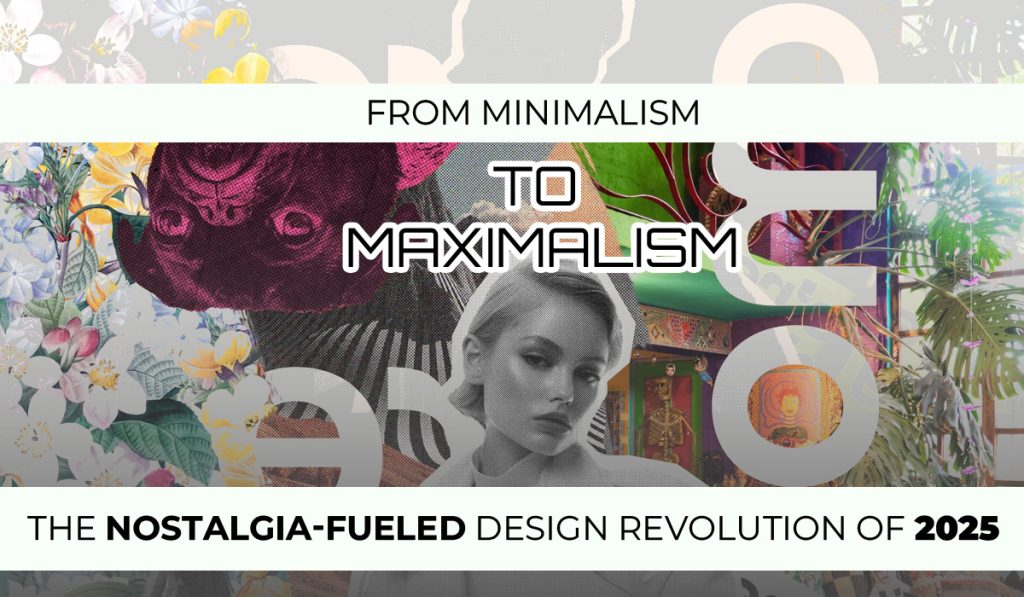
In the ever-evolving landscape of design, trends are more than fleeting fads; they’re cultural barometers reflecting collective emotions and experiences. As we step into 2025, one thing is clear: minimalism’s reign is over. Triggered by pop culture phenomena like Stranger Things and a rekindled love for nostalgia, maximalism has surged back into the spotlight, bringing with it neon hues, layered textures, and unapologetic boldness. Stranger Things Revival: Nostalgia’s Big Comeback Overthrows Minimalism The return of Stranger Things in 2025 hasn’t just ignited excitement for the Upside Down—it’s flipped the design world right-side up. Nostalgia’s siren call has ended the long reign of minimalism, ushering in a new era of neon vibes and unapologetic maximalism. If you thought we’d remain stuck in a grayscale, Scandinavian Pinterest board forever, think again. The ’80s and ’90s are back, bringing with them a vibrant blend of chaos and character. Maximalism: The Neon Renaissance For years, minimalism had us clearing shelves and avoiding clutter like it was an Olympic sport. But now, maximalism’s bold charm has us rethinking our interiors—and maybe life choices. This trend celebrates layered textures, striking colors, and curated chaos that tells your story in the loudest, most fabulous way possible. Think neon accents, jewel-toned velvet sofas, and quirky statement pieces straight out of your childhood dreams. The driving force? Nostalgia. From VHS tapes to lava lamps, it’s about revisiting a time when creativity wasn’t measured by how bare your walls could be. This resurgence doesn’t just revive the aesthetics of the past; it reinvents them with a modern twist. Why Minimalism Was Ghosted Minimalism, with its serene whites and clean lines, had its moment. It whispered peace and organization—but let’s face it, it sometimes felt… cold. In a post-pandemic world where connection and comfort are everything, maximalism offers warmth and personality. It allows us to express joy, rebellion, and individuality through design. After all, why own one chair when you can layer three of different eras and fabrics in a riot of color? Maximalism: A Love Letter to Nostalgia Design today is less about sticking to clean lines and more about evoking feelings. Maximalism thrives on storytelling. It’s about creating spaces and products that don’t just look good but resonate deeply. As brand strategists, we’re seeing this shift manifest in everything from packaging to interior design. Why the sudden switch? People are yearning for connection, individuality, and a sense of history. Stranger Things didn’t just give us Demogorgons and ‘80s pop—it reignited our collective love for saturated colors, vintage accents, and the playful unpredictability of design from eras gone by. Breaking Free from Minimalist Restraint Minimalism offered order in chaos, but for many, it became sterile and detached. In contrast, maximalism invites chaos—but the curated kind. It’s not about cluttering; it’s about layering. Think jewel-toned packaging with bold typography or product designs that mix high-tech functionality with retro aesthetics. As strategists, it’s thrilling to see brands lean into maximalist visuals to tell richer stories. Consider this: Color Palettes: Neon pinks, electric blues, and lush greens paired with gold accents. Textures and Layers: Combining matte with gloss, or rough with smooth. Pattern Clash: Think florals meeting geometric prints—chaotic, yet purposeful. Designing for the Maximalist Mindset In 2025, consumers want design to feel personal. Here’s how brands are embracing maximalism: Dynamic PackagingPackaging is no longer just functional; it’s a canvas. Layers of patterns, bold typography, and vibrant hues create packages that feel like collector’s items. Immersive Brand SpacesFrom retail stores to websites, maximalist brands are creating immersive environments. Think interactive elements, neon lighting, and unexpected textures that turn shopping into an experience. Nostalgia with a TwistRetro-inspired designs are trending, but with a modern edge. Brands are reimagining classic styles with futuristic materials or tech integrations. Digital MaximalismEven UI/UX design is moving away from flat, minimalist aesthetics. Websites and apps are embracing gradients, bold animations, and playful layouts that capture attention and delight users. Balancing Maximalism in Design While maximalism encourages “more,” it doesn’t mean chaos. Balance is key. As designers and strategists, the goal is to create harmony in abundance: Purposeful Layering: Every element should have a reason to be there. Brand Authenticity: Ensure the boldness aligns with the brand’s voice and values. Functional Artistry: The design should be striking but never at the cost of usability. Why Maximalism Matters for Your Brand The return of maximalism isn’t just a trend; it’s a movement that speaks to deeper emotional needs. It’s about embracing imperfection, celebrating individuality, and creating designs that spark joy. For brands, this is an opportunity to stand out in a sea of sameness and connect with audiences on a more visceral level. As 2025 unfolds, the message is clear: dare to be bold, tell your story unapologetically, and let design be as vibrant as the lives it touches.