
By Zohaib Ahmed | 24th November 2025
Executive Summary
We are currently navigating a critical phase of influence operations in Washington. Our reported monthly spend of US$ 600,000 on lobbying and strategic communications gives Pakistan a material advantage over India in accessing U.S. power centers. This aggressive effort is tied not only to economic goals (critical minerals, tariff negotiations) but also to diplomatic symbolism, notably, Donald Trump’s push for a 2026 Nobel Peace Prize nomination. However, rising external pressures, including from other actors like Netanyahu, and mixed public opinion in the U.S., demand that we calibrate our strategy carefully.
This analysis is based on report by Hamid Mir.
1. Lobbying Landscape: Numbers & Structure
1.1 Expenditure Comparison
According to Department of Justice (FARA) filings and journalistic reporting:
| Country | Estimated Monthly Lobbying Spend (Washington, D.C.) | Number of Firms Engaged |
|---|---|---|
| Pakistan | US$ 600,000 MagzterBusiness TodayHindustan Times | 6 Business Today |
| India | ~US$ 200,000 Hindustan Times | 2 Hindustan Times |
This 3:1 ratio in monthly spend underlines our aggressive posture in Washington. Business Today+2Hindustan Times
1.2 Key Lobbying and Legal Firms
Some of the principal firms we are engaging:
- Orchid Advisers LLC – US$ 250,000/month. This firm has subcontracted Squire Patton Boggs to help facilitate outreach to U.S. lawmakers and international financial institutions (IMF, World Bank). Business Today
- Seiden Law LLP – US$ 200,000/month. Focused on economic partnerships, critical minerals, and tariff policy. It further subcontracts:
- Javelin Advisors (US$ 50,000/month), co-founded by Keith Schiller (former Trump bodyguard) and George Sorial (former Trump Organization compliance head). India Today
- Conscience Point Consulting (reported in some disclosures) for additional narrative work. The Sunday Guardian
- Qorvis Public Relations – US$ 150,000/month, tasked with narrative development and reputation management. Business Today
- Team Eagle Consulting – Engaged through the Islamabad Policy Research Institute (October 2024), reportedly on a US$ 1.5 million deal to reshape U.S. public opinion and strengthen ties with the Trump administration. India Today
According to the Sunday Guardian, total contracts are estimated between US$ 6.55 million and US$ 6.75 million over twelve months. The Sunday Guardian In Pakistani rupees, this equals approximately PKR 1.8–1.9 billion. The Sunday Guardian
2. Strategic Analysis through Multiple Lenses
2.1 Realist Perspective
From a realist viewpoint, our increased lobbying spend is a clear power play. By outspending India significantly, we are using material resources to secure access to decision-makers in Washington. This is not symbolic alone — we are converting financial resources into political capital.
- Access to key actors: Orchid Advisers’ work with Squire Patton Boggs helps open doors to Congress, the World Bank, and IMF. Business Today
- Trade leverage: Seiden Law’s role in pushing critical minerals and tariff policy aligns with our economic priorities. This is especially important given that the Trump administration is signaling secondary sanctions and tariff pressures on India, particularly over its energy ties. Business TodayIndia Today
- Diplomatic recognition: A rare White House meeting for Pakistan’s Army Chief Field Marshal Asim Munir is a tangible payoff. Hindustan Times
From the realist lens, we are securing both direct influence and structural positioning, not just narratives.
2.2 Soft Power and Reputation (Soft Power Lens)
Beyond raw spending, our narrative work aims to reshape how U.S. policymakers and public opinion see Pakistan: as a partner, not a liability.
- Narrative management: Qorvis is explicitly tasked with reputation building. Business Today
- Public diplomacy: Through Team Eagle Consulting, we are attempting to influence U.S. public opinion and make our case to the Trump administration in non‑transactional terms. India Today
- Symbolic diplomacy: Our nomination of Trump for the 2026 Nobel Peace Prize strengthens our symbolic capital. We are positioning ourselves not simply as transactional but as global actors able to talk the language of peace and mediation.
This dual strategy, money + narrative, reinforces our soft power in Washington, not just among elite decision-makers but potentially within segments of U.S. media and civil society.
2.3 Behavioral Economics Perspective
Here, we analyze how actors’ incentives, biases, and decision heuristics shape the dynamics.
- Trump’s psychology and incentives: He appears to be strongly motivated by the prestige of a Nobel Prize. Our nomination gives him a concrete, politically useful reward. By asking for a written nomination, he escalates our symbolic engagement.
- Framing for U.S. audiences: According to an Emerson College poll, 54% of Americans do not think Trump deserves the Nobel Peace Prize, while only 38% believe he does. Emerson Polling
- Risk of backlash: Given behavioral bias like loss aversion, if our lobbying is perceived as purely transactional or self-serving, we risk reputational costs in U.S. policy circles. We need to frame our engagement not as buying influence but as contributing to stability, peace, and economic cooperation.
By understanding Trump’s incentive structure and U.S. public sentiment, we can tailor our lobbying and narrative to maximize effect with minimal reputational damage.
2.4 Geopolitical / Realist-Constructivist Insight
We also must anticipate third‑party actors and broader structural currents:
- Netanyahu’s influence: Reports suggest that Netanyahu is pushing for Muslim states (through the Abraham Accords) to recognize Israel, without pressing for an independent Palestine. If he successfully lobbies Trump and others, it could complicate our position.
- Tariff conflict with India: India is under trade pressure, especially with additional U.S. tariffs. Business Today India’s lobbying is focused but smaller: SHW Partners (Jason Miller) and BGR Associates. Hindustan Times
- Critical minerals and energy: There is growing cooperation between Pakistan and the U.S. on critical minerals and possibly oil, which our lobbying firms are actively promoting. Business Today
- Domestic economic trade-off: The Sunday Guardian raises a key point, the PKR 1.8–1.9 billion invested in Washington could have been directed toward domestic development such as education, flood defense, or healthcare. The Sunday Guardian This trade-off is a potential political vulnerability if not managed internally.
Thus, while we gain influence in U.S. policymaking, we also carry geopolitical risk. We must balance our external lobbying with internal legitimacy and capacity.
3. Risks & Recommendations
3.1 Key Risks
- Public Perception Risk: If our lobbying is seen as transactional or excessively costly relative to domestic needs, we may face domestic backlash.
- Overreliance on Personality: Betting on Trump’s Nobel ambition is inherently risky; if his campaign fails or shifts, our leverage may weaken.
- Third‑Party Lobbying: Other actors (e.g., Israel/Netanyahu) might distort the narrative in ways that undercut our interests.
- Policy Reversals: Economic benefits (tariff concessions, mineral deals) are contingent on U.S. domestic politics; access does not guarantee stable long-term policy.
3.2 Strategic Recommendations
Based on the analysis above, we should consider:
- Sustain but refine our lobbying investment: Continue funding key firms (Orchid, Seiden, Qorvis), but demand measurable deliverables (meetings, policy wins, media coverage) to ensure value for money.
- Narrative calibration: Use behavioral framing to present our engagement not simply as transactional, but as part of a shared security and economic vision. Emphasize peace, strategic cooperation, and mutual benefit in our messaging.
- Risk mitigation with third parties: Develop a counter-lobbying or narrative strategy to address potential influence from actors like Netanyahu. Strengthen our trilateral or multilateral messaging on peace and regional stability.
- Domestic accountability: Transparently communicate the rationale for this lobbying spend to domestic stakeholders. Show how the foreign influence strategy aligns with national development goals and foreign policy priorities.
Strategic Analysis:
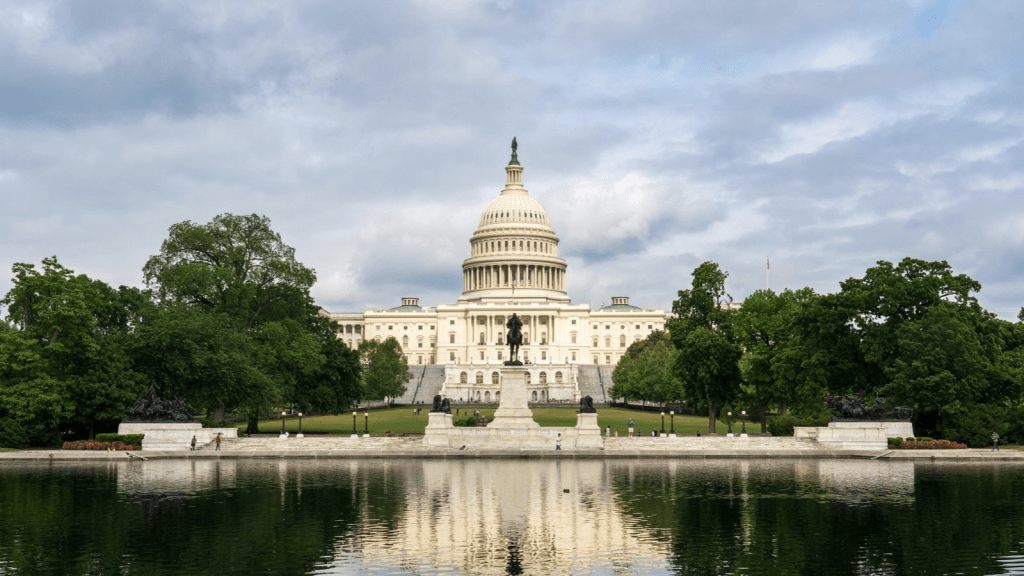
We are entering a highly competitive phase in Washington, where lobbying is increasingly shaping the perception of South Asia’s strategic relevance. Reports indicate that Pakistan is spending roughly three times more than India on lobbying in the United States, a move that directly enhances our access to Capitol Hill and key policy networks.
From a realist perspective, this financial investment functions as a force multiplier; India’s attempts to hire the same firms and involve ideological actors like the RSS underscore their awareness that influence in Washington is zero-sum. We must continue to convert our expenditure into tangible access, ensuring our messaging penetrates both legislative and executive circles.
Soft power is equally critical in this context. Trump’s pursuit of a Nobel Peace Prize nomination from both Pakistan and India places us in a symbolic position of legitimacy. While we have already provided a nomination, Trump now expects renewed written endorsement.
This is not simply a transactional gesture; it signals to U.S. audiences and policymakers that Pakistan is a willing partner in diplomatic processes, which can strengthen our broader narrative on regional stability. However, behavioral insights suggest that Trump’s personal incentives, combined with domestic American skepticism, 49 percent disapprove of his presidency and 54 percent doubt his Nobel suitability, mean that our engagement must carefully shape perceptions beyond transactional lobbying.
We must frame our position in terms that resonate with broader American policy norms, rather than relying on individual personalities.
Strategically, we must also consider the influence of external actors. Netanyahu’s lobbying to align India with broader Israeli interests, while pressuring Muslim-majority countries through the Abraham Accords, creates potential friction points.
From both a realist and soft-power perspective, we cannot ignore how such actors can indirectly affect our standing. Our engagement strategy should anticipate these maneuvers, ensuring that our influence remains insulated from competing lobbying agendas and ideological pressures.
Finally, the optics of our investment in lobbying extend beyond Capitol Hill. By demonstrating disciplined, targeted expenditure and leveraging credible diplomatic channels, we signal to international observers and domestic stakeholders that Pakistan is capable of strategic foresight.
This positions us not only as a competitor to India in lobbying terms, but as a credible actor in shaping U.S. policy towards South Asia, creating leverage that extends well beyond the Nobel Prize narrative.
Our focus must be a coordinated approach: sustained financial commitment, precise lobbying, narrative control in American media and policy circles, and anticipation of external interference. Only through this integrated strategy can we convert expenditure into lasting influence and ensure Pakistan retains both legitimacy and leverage in U.S. decision-making.
4. Conclusion
Our current lobbying surge in Washington is a bold and well-resourced effort, reflecting a clear realist commitment to influence, combined with a soft-power narrative and behavioral insight into U.S. decision-making. The data shows we are outspending India significantly and engaging a diverse set of firms to push both economic and diplomatic agendas, including the Nobel Peace Prize narrative.
But this strategy is not without risk. It hinges on Trump’s disposition, external actors’ maneuvers, and the sustainability of our messaging. To consolidate our gains, we must maintain disciplined investment, narrative clarity, and internal accountability.