
A Strategic Foresight Analysis
By Zohaib Ahmed | 9th January 2026
Introduction
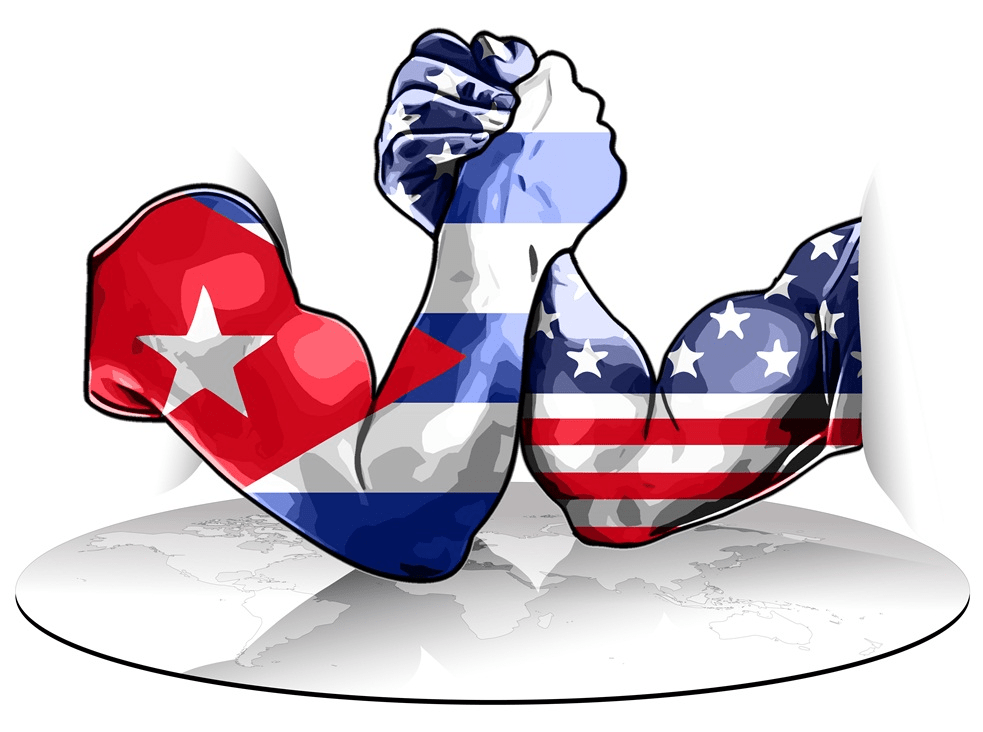
Following the U.S. intervention in Venezuela, Cuba faces its most significant strategic threat since the 1990s. The sudden cessation of subsidized Venezuelan crude, averaging 27,000 barrels per day in 2025, has created a severe energy shortfall, threatening nationwide blackouts and disrupting critical infrastructure. The Trump administration has positioned a naval task force near the Caribbean, signaling potential coercive leverage and raising concerns about Cuba’s immediate vulnerability.
Energy Dependence and Economic Pressure
Cuba’s energy grid has been heavily reliant on Venezuelan oil, both for domestic consumption and for generating hard currency through resale. The abrupt disruption has paralyzed power generation and constrained essential imports such as food and medicine. While U.S. officials frame this as part of counter-narcotics and law-enforcement objectives, the scale of pressure suggests an intent to reshape Cuba’s economic and political order.
Unlike Venezuela, however, Cuba’s centralized governance and institutional cohesion provide resilience. The Revolutionary Armed Forces (FAR) and Ministry of the Interior (MININT) maintain unified control over the distribution of limited resources, while the Communist Party has historically survived extreme isolation. Recent investments in renewable energy, including 1,000 megawatts of solar power coming online in early 2026, aim to reduce reliance on external petroleum and mitigate the immediate effects of the Venezuelan oil cutoff.
Strategic Context: Lessons from Venezuela
The U.S. intervention in Venezuela demonstrates a template for hemispheric influence: combine selective coercion, elite fragmentation, and asset control to achieve strategic outcomes. Cuba, situated directly within the hemisphere’s shifting power dynamics, represents the logical next phase. Control over Cuban energy and financial flows would further consolidate U.S. leverage in the Caribbean while signaling to other left-aligned states that resistance carries high economic and political costs.
Military Considerations
The presence of U.S. naval assets in the Caribbean, including amphibious and guided-missile ships, underscores the operational dimension of pressure. While officially tasked with counter-narcotics operations, the composition and scale of forces suggest readiness for rapid escalation if Havana resists political or economic realignment. Cuba’s military, while disciplined, lacks the strategic depth or external alliances to counter advanced U.S. drone and maritime capabilities. The comparison to Venezuela highlights the limited options for military deterrence when facing kinetic power projection in combination with economic and diplomatic isolation.
Conclusion
Cuba’s vulnerability arises from energy dependence, geographic proximity, and the strategic precedent established in Venezuela. While its centralized governance provides resilience, the loss of Venezuelan support and U.S. coercive signaling place Havana under unprecedented pressure. Cuba represents the next potential node in the United States’ hemispheric strategy: securing influence over key states, controlling critical resources, and projecting power in a way that reshapes regional order. How Havana responds to these pressures will define the next stage of U.S.-Caribbean engagement and signal broader lessons for Latin America in a period of strategic realignment.